Brace, Compel, and Do Right

img_7013.jpg

Do not let the children pass a day without distinct efforts, intellectual, moral, volitional; let them brace themselves to understand; let them compel themselves to do and to bear; and let them do right at the sacrifice of ease and pleasure: and this for many higher reasons, but, in the first and lowest place, that the mere physical organ of mind and will may grow vigorous with work.

Charlotte Mason, Volume 1, p. 22

{Emphasis is mine. This quote is highly convicting and pointed. I need to take Miss Mason’s advice in my own life and also consider it in my children’s lives. I’m rereading Volume 1 with friends and it is so good!}

~

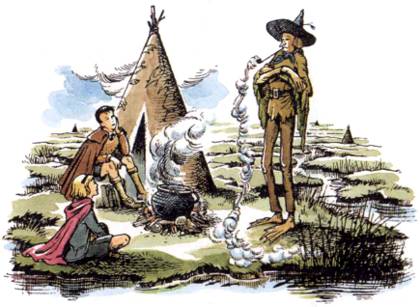
“Life isn’t all fricasseed frogs and eel pie.” – Puddleglum

puddleglum2

{Google}

Puddleglum is one of my many favorite characters from C.S. Lewis’ The Chronicles of Narnia. He is just such a funny, creepy mixture of doom and gloom, Eeyore-like qualities, yet with a steadiness that helps the other characters in a myriad of ways. He appears in The Silver Chair, joining Jill and Eustace on their quest to free Prince Rilian of Narnia from the witch.

I think he cracks me up so much in that I’m sort of the polar opposite of him. I like to see the positives in any situation, in fact, I have to see the positives, or I’ll go crazy. I’m not sure if this is part of my personality or if it’s just a product of my life, or just the season I’m living in. I think in some respects, it’s a habit to be cultivated. I don’t think it’s always necessarily a conscious habit, but at times I do focus on looking at a situation, no matter how bad, and picking out the beauty or the good to be found in it. And really, that is the essence of a habit, you first must choose to do something, and eventually you are doing it without even thinking, because it is so ingrained into you. This is something I must do in order to keep perspective, to stay healthy mentally and emotionally. It does not make me better than anyone, it’s a life-giving practice that I know I must prioritize. Focusing on my problems, worrying, and striving rarely fixes them and makes for so much angst in my life and those around me. Ignoring problems doesn’t help either. However, if I can just sift through the dirt and find just one gleaming pebble, it makes walking through hard things bearable.

Is there such a thing as being too idealistic? Or too optimistic? Possibly. Probably. I mean, one has to get the ‘ole head out of the clouds and get some things done in order to just live normal life. However, I’m not sure being idealistic and optimistic isn’t a good thing. Just look all around you…things are dark, scary, depressing. Are we lying to ourselves when we focus on things that are good, true, and lovely? No, I believe we are battling the darkness. When I write here or talk with my friends about light, beauty, tea, gorgeous trees, and clouds, I’m not saying my life is perfect. I usually have my share right at that very moment of relational heartache, dirt, laundry, bills, and craziness. I am just choosing to look at the crack of light seeping in under my door. I have to hold onto that Light and follow it with all my might.

How ’bout you? What do you think?

~


September Reads

The_Lady_and_the_unicorn_Desire

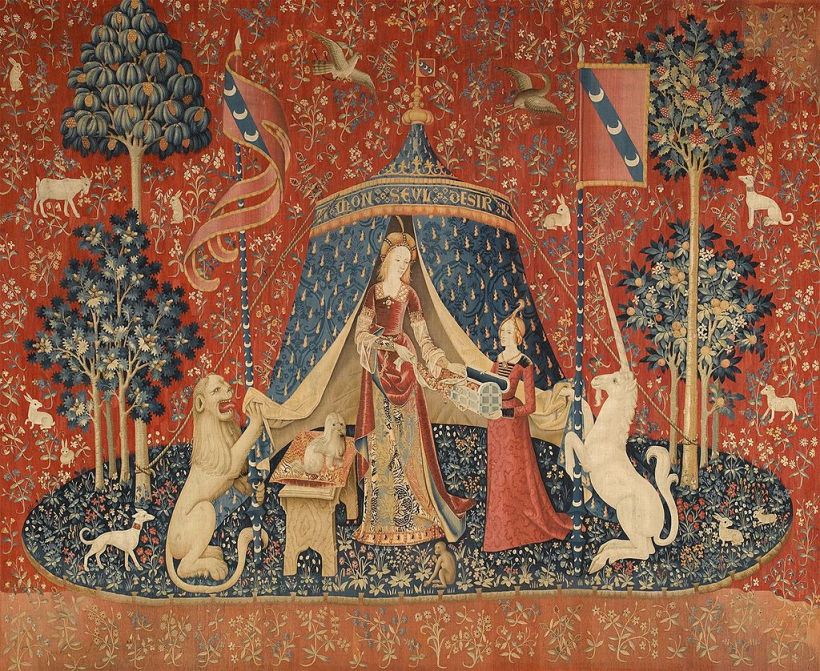
The Lady and the Unicorn: À mon seul désir 

How was your reading month in September? I finished a few things and started a few others. With our home learning beginning, I definitely slowed down (for me, anyway) as my brain power lowers a wee bit after spending each day in lovely books with my children. I really have too many books (is there such a thing?) going currently, which sometimes makes me uninspired to pick up anything. I need to cull my stack a bit. Someone asked me recently how I read so much. Well, I rarely watch any t.v. or movies, not that I don’t like them, it’s just I want to read, write, or be on social media instead. I read fast, sometimes too fast. I also read while doing other things, riding in a car with my hubby or I even read while cooking, which I don’t recommend. Ha.

L’Abri by Edith Schaeffer (****) – This followed a portion of theologians Francis and Edith Schaeffer’s lives as they begin their ministry of hospitality and outreach to searching individuals in the Swiss Alps. I found this inspiring and challenging. I especially loved how hospitality, simple, yet delicious meals, and just opening ones door, played a vital role in helping so many people. Food and conversation around a table has so much power.  I found it interesting to get a glimpse of the Schaeffer’s children’s lives and how they prayed in their financial support. I loved the sketched map at the beginning of this book, so charming.  The stories were just a wee bit redundant by the end of the book, but overall my faith was challenged in a timeless way and I know I won’t forget the beauty I pulled away from this title.

“Twelfth Night” by William Shakespeare (***) – This is one that I’ve been reading for awhile as we completed this last year with our Charlotte Mason Community. I didn’t love this one as much as some of the others we have done. The tricks seemed a bit too cruel, for some reason I felt bad for Malvolio especially even though he was such a silly person, and I couldn’t like Olivia very much. Overall, the language was so beautiful and the turns of phrase so interesting. Maybe I was just sick of the “twin” vein since we had completed “A Comedy of Errors right before. My children loved this play very much, so it was just me that thought it was “meh”. One thing I loved from our group was that my friend wore yellow tights with cross-garters for our class! That was such a fun touch.

Twelve Moons by Mary Oliver (****) – A beautiful collection of her poetry. I especially loved the second half of this book.

Maud by Melanie J. Fishbane (****) – 3.5 stars – This was a light, interesting historical fiction based on some true events and people in Maud’s life. A YA look at teenage Montgomery’s angst and loneliness. The grit and determination that drove L.M. Montgomery to pursue her dream of writing. I enjoyed this, although occasionally there did seem to be “fact dumps” in the middle of the narrative.

The Man in the Brown Suit by Agatha Christie (*****) – This is the first Agatha Christie that I have TRULY loved! I think it’s because I don’t really love Hercule Poirot that much (and I’ve only read his titles, if I’m remembering correctly), but I didn’t realize that was the problem till I read this one. This is hilarious in a dry way, I loved the main character Anne, lots of twists and turns, but definitely more tongue and cheek than super creepy. Light romance, history, travel, and suspense. What a fun read!

Refuge on Crescent HillEnchanted Isle, and Shadows of Ladenbrooke Manor  by Melanie Dobson (***) – about 2.5 stars between the first two of them.  I heard about Refuge on Crescent Hill as something that was “good Christian fiction” and the story was mysterious and interesting. I felt like the sense of place and the depth of characters were a TEENY bit flat and I still want to know how to write clean fiction with elements of faith without being preachy. Unfortunately, Enchanted IsleI disliked immensely. I felt like this was very slow, plot-line very unbelievable (an old amusement park in The Lake District?), full of cliches and little bits of British culture dropped in to make it seem authentic. The descriptions of the nature were beautiful. Then, because I’m ever an optimist, I tried a third title from this author. I was pleasantly surprised by Shadows of Ladenbrooke Manor. I’d probably give it a solid 3.5 stars and it reminded me a small way of Kate Morton. Teen pregnancy, a special needs little girl, family secrets, and a cottage and a manor in England. The characters were flawed, yet there was a redemptive vein through it all, the story was interesting, and a lot of surprising twists and turns. The flashbacks and journal entries slowly came together at the end of the story. The slight romance was tasteful. The overall tone was sad, yet hopeful. This was clean in the sense that it wasn’t graphic, but not preachy and included dark, hard choices. The sense of place was well done, not overwhelming, but yet you felt immersed in this world. I enjoyed this.  So surprising and interesting to see three novels from the same author in this way.

A Red Herring Without Mustard by Alan Bradley  (*****)- This is the third in the Flavia de Luce mystery series, surrounding a lonely, slightly disturb, morbid yet genius 11 year old with a knack for solving mysteries and love of chemistry. I loved this! An attack on a Gypsy woman stirs up the town and brings to light a mystery surrounding a missing child, stolen antiques, and Flavia’s concern over her father hiding their money troubles. The depth of the main characters in these books is amazing and fascinating as Flavia’s relationship with her father, dead mother, and sisters unfolds just a little bit more. I love the glint in the police Inspector’s eye also regarding Flavia’s detective abilities. Highly recommend!

Collected Poems by Edward Thomas (***)- An English poet and naturalist, I found these haunting and sad. Some of them were a bit convoluted, but I appreciated them. Thomas seems a bit lost all the time, searching for something. I loved his close attention to the natural world, his love of the English countryside, but I often wanted to reach out and offer him some hope.

Sense & Sensibility by Jane Austen (*****)- This was a reread and I loved it probably more than the first time I read it. I really noticed a difference between Pride & Prejudice, which I’ve also reread this year, and this in the writing style. S&S is much deeper, richer, and meatier, if you will. The tone is a lot more serious and it touches on some tough issues. I found myself really admiring Elinor and Colonel Brandon as characters. Marianne is harder for me to like, although I wonder if I am more like her in the way I’m too quick to show my emotions. Highly recommend.

The Paradise War by Stephen R. Lawhead (****) – This fantasy follows two Oxford graduate students who chase a crazy tabloid story to Scotland. This is a weekend diversion intending on checking the fantastic claims of this paper, seeing if they have any merit. Lewis is a bland, laid back American who is skeptical, yet curious. Simon is a wealthy, English, spoiled kid who thinks it’s great fun to drag his roomie on wild goose chases. Something is suspicious about the whole trip to Lewis and before he knows it, Simon is missing and he is in a web of Celtic history, myths, legend, cairns that open doorways to the past. My oldest, Annie, and I found this first in the series fascinating and really enjoyed it.

Thou Givest, They Gather by Amy Carmichael (*****) – I’ve been reading this devotional on and off for a year or so. This is a collection of unrelated devotional pieces that didn’t make it into Carmichael’s other devotionals. Gathered together these are piercing and soul-searching bits to challenge and encourage deeply. I highly recommend.

The Holy Bible (*****) – Esther, Job, Isaiah, 2 Peter, 1-3 John, Jude, Revelation

Happy Reading!

~


Soup’s On

_mg_6776

The pungent odor, the juicy, crisp feel, onions sliced, dropped into the pot. The sizzling music plays as flavors meld together, spatula stirring and chopping ground turkey as it browns.

The pungent, slightly morbid poem “Adventures of Isabel” by Nash chuckled at over breakfast. Uncontrollable laughter over Carrie, the half talking cat in Lear’s Half Magic, dropped lightly into the mixture.

Plump, diced chunks of tomatoes. Thin, black beans, morsels of golden corn added with the onions and meat.

Dicey moments over proper way to make a basic dough. Guffaws breaking tension as full stick of butter falls on floor, face down, bits splattering. A quick clean up, stir of resolution and a pinch of lets-start-over thrown in.

Water running, water necessary for life, soup pot is filling. Spices to birth flavor, to compliment vegetables, meat, and bringing soul, depth to sustenance.

Stones and sand, water flowing over our mock little river bed, four boy eyes gazing at geology experiment. The flowing, flowing of life giving words from The Holy Bible, Charlotte Mason’s Ourselves, rushing, tumbling, swirling, compassion and interest about a boy in Malawi. Folk tales about Paul Bunyan and Babe, straighting out a road in Minnesota. Spice for the heart, soaking for the imagination.

The simmering. Hot heat on my hand as I gently stir. The patience and a light shake, bit o’ pepper and salt into it all.

Listening, answering, sowing, words, numbers, the scorching of being “on” all the time. Inner patience, cultivation of a restful heart silence even through the shaky hop, skip, and jump of relationships. Throwing in an extra measure of grace, knowing full well how truly much I’ve been given.

A smell so delicious sifts through the air. A simple table cloth, candles flickering, mismatched bowls catch the light. Hearty soup, bread, fresh stick of butter, the meal has been prepared. The mixing and simmering are in the background, the relationships are here all around.

Gather in closer, sip, lather your slice with creaminess, taste and see. A daily dance of living ingredients, slowness, humility, and astonished gratefulness.

~

Monday Ponderings {September 18th}

IMG_5265

“The Mother is qualified,” says Pestalozzi,” and qualified by the Creator Himself, to become the principal agent in the development of her child;…and what is demanded of her is – a thinking love. …God has given to thy child all the faculties of our nature, but the grand point remains undecided – how shall this heart, this head, these hands, be employed? To whose service shall they be dedicated? A question the answer to which involves a futurity of happiness or misery to a life so dear to thee. Maternal love is the first agent in education. 

Home Education

Charlotte Mason

p. 2

(emphasis mine)

~

Monday Ponderings {September 4th}

IMG_4967

2 Kings 2.19-22: Salt in the spring of the waters.

I have noticed that when there is a word about the wonderful love of God, someone is sure to write and say how much that word helped; and this is joy to me. But I have also noticed that often that same one is cast down about the merest trifle, overwhelmed by difficulty, overcome by temptation. This should not be. The love of God is meant to make us valiant. A soldier who is constantly bemoaning difficulties has missed something.

This morning as I read 2 Kings 2, it seemed to me that verse 21 was for such: “And he went forth unto the spring of the waters, and cast the salt in there, and said, Thus saith the Lord, I have healed these waters; there shall not be from thence any more death or barren land.” The salt was cast into the spring of the waters, and then the Lord said, “I have healed these waters.” We must let God deal with the spring of action, the very inmost in us, if we are to be thoroughly right. What is it that makes things go wrong? It is often some inward pride. What is the cause of discontent? It is that love of myself that makes me magnify my own troubles and forget those of others. Self, self, self at the spring of the waters makes those waters utterly useless for the help of others.

Salt smarts when it touches raw flesh. Do not be surprised if the first effect of some sharp word of God applied to your soul is painful. Suddenly to realize that quarrelsomeness has its root in pride; that to take offence simple means that I love myself; that laziness is another kind of self-love – is to be stung, as the raw flesh is stung if salt or anything with cleansing power be applied to it. If we ask our God to cast salt into the spring of our being, we asking Him to deal with us thoroughly, to cleanse us thoroughly.

     That means that next time the temptation comes to pride, selfishness, sloth, we claim the power of the Cleansing, and in the strength of our God refuse to yield to the I.

Amy Carmichael

Thou Givest, They Gather

p. 136

(emphasis mine)

~


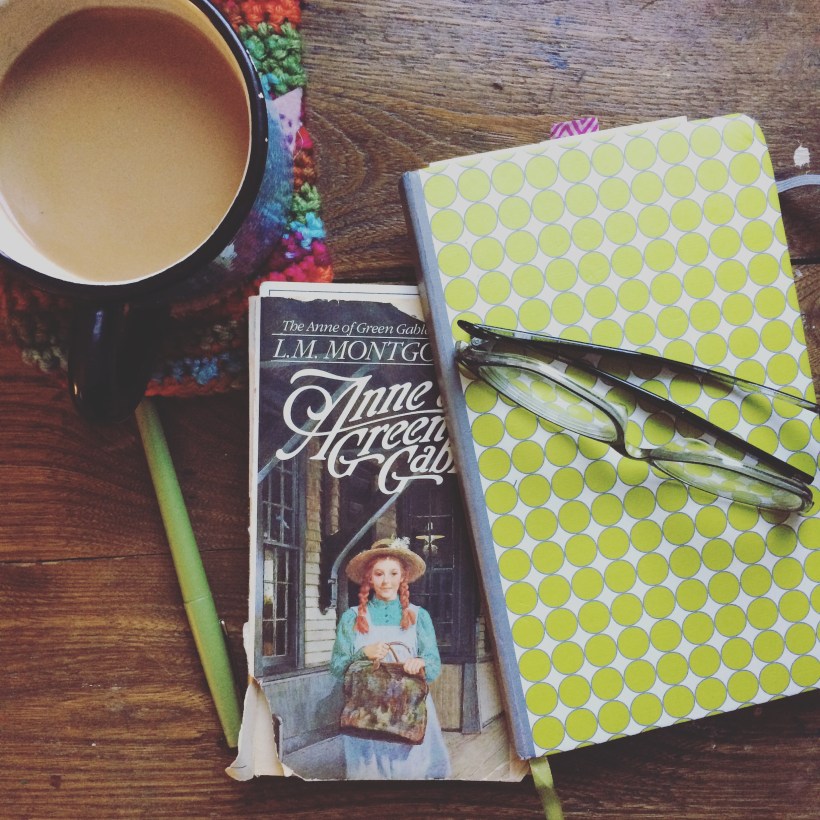
Anne of Green Gables: Chapter 13 & 14

img_1383

Continuing our reading…

Anne’s enthusiasm for life is so contagious. I love how excited she is about ice cream, picnics, and every little thing. Something to keep in mind as we go through our days, plodding along. There is so much around us to be grateful for no matter how hard our circumstances might be. I love the names Idewild and Willowmere. I’ve stolen the first for my deck’s name with its tangle of morning glories. I’m sure I will think of something to use Willowmere for…Anne uses it in reference to a pool, but hmmm….

I agree that this is one of the best gifts from children, imagine having never had the pleasure, poor Marilla!

Getting through with her “ohs’ Anne cast herself into Marilla’s arms and rapturously kissed her sallow cheek. It was the first time in her whole life that childish lips had voluntarily touched Marilla’s face. Again that sudden sensation of starling sweetness thrilled her. She was secretly vastly pleased at Anne’s impulsive caress,… p. 91

And this:

“You set your heart too much on things, Anne,” said Marilla with a sigh. “I’m afraid there’ll be a great many disappointments in store for you through life.”

“Oh, Marilla, looking forward to things is half the pleasure of them,’ exclaimed Anne. “You mayn’t get the things themselves; but nothing can prevent you from having the fun of looking forward to them. Mrs. Lynde says, ‘Blessed are they who expect nothing for they shall not be disppointed.’ But I think it would be worse to expect nothing than to be disappinted.” p. 94

The debacle with Marilla’s broach is so sad and humorous at the same time.

Such a lovely couple of chapters!

~


August Reads

Carl_Larsson_-_Little_Red_Riding_Hood_1881

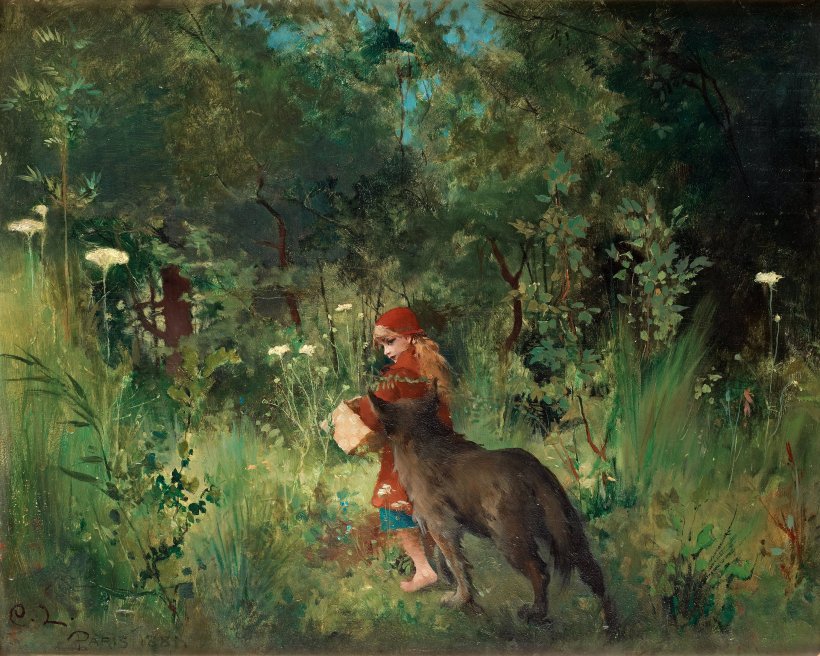
Little Red Riding Hood and the Wolf in the Forest by Carl Larsson – 1881

What is on your reading stack?

Lab Girl by Hope Jahren (*****) –  4.5 stars. I was extremely intrigued by the beautiful, minute, yet deep observations on nature and life. They were subtle, and I almost want to go back through this book and try to jot them all down for rainy day reviewing. The story was one of the exhausting, messy life it really is to make it as a scientist- weird, quirky, and a bit nuts. Besides the excessive use of the “F” word, this crazy, beautifully written memoir, was so interesting and inspiring no matter what line of work you are in. The vague, strange undefined friendship with Bill, her lab partner, was a bit hard to read and maddeningly endearing at the same time. The author ranted a bit too much about how bad she was treated as a woman in a science field, other than those few things, I really enjoyed it and now want to go plant a tree.

Pied Piper by Nevil Shute (*****)-  This beautiful story follows John Howard, a grieving 70 year old man, who escapes to a fishing vacation in France, after the death of his son in the RAF. It’s summer 1940 and he craves quiet, avoiding all the talk of war and death in England. Little does he know what he is headed for! This was a BEAUTIFUL, heart-wrenching tale that blessed the socks off of me. It was written in a plain, straight-forward style, and yet I was right there with Mr.Howard through every step of this extraordinary journey. The love and grace shown by him and others was an example to me of God’s unconditional love. I loved the children in this book and Mr. Howard’s treating them as people. One of my favorite books of the year so far!

News of the World by Paulette Jiles (****) – My sister recommended this to me and it was a sweet, yet sad story of a little girl who was captured by a Kiowa Indian tribe and it now being returned to her relatives many years later. Old Caption Kidd is commissioned with this task, and he funds their long journey by reading the news for .10 cents a person as they slowly trek across frontier Texas. This is a sobering read and brings to light the brutality of our country in those wild west days. Gun battles, primitive living, dangerous elements, and fiery political arguments following them as they fight to stay alive. The care and love that grow between the little girl and Kidd, who she begins to fondly refer to as Opa, is so heartwarming and I found this to be such a rewarding historical fiction, as I believe it’s based on some true facts.

Waking the Gods by Sylvian Neuvel – (***) 3.5 – fun, sci-fi with a creepy side to it. Written in an unique way through interviews, media reports, etc. This is a sequel to Sleeping Giants, which I read at the beginning of this year. If you are into alien invasion stories, these books are for you. I think there might be a third in the series coming as well.

Gilead by Marilynne Robinson – (****) I love the humanity of this book, Robinson’s writing humming with reality and depth of soul, these are real people to me. I found the questions of Reverend John Ames, his doubts, fears, and thoughts to be universal in their simplicity and complexity. I loved how the love for his wife and child were strongly FELT, even as he told. I enjoyed the town of Gilead, it’s smallness, again the feeling that it could have been me living here at that time in history.I enjoyed the generational lines to this book, the looking back and forward, deeply into the lives of these people, particularly the three ministers, grandfather, father, and son. Robinson definitely has strong views of her own, I feel like those come through in her writing, even though she tries to put “always questioning” spin on them. Her writing is just exquisite and the beauty is in it’s plain, straight-forward way of flowing. It took me awhile to read this, I hesitate to say this, since so many love it, and the Pulitzer Prize and all, but occasionally, I felt like it was trying to be beautiful, especially in the beginning, I struggled to fully get into it…, but when I hit 1/2 way, maybe even 3/4 of the way, I really started to appreciate it and see its richness. Lovely and I look forward to reading more of this author.

Dandelion Wine by Ray Bradbury (*****) –  this book follows the story of 12 yo Douglas’ summer vacation in a small town during the late 1920’s. This book is so strangely weird and deeply beautifully, bordering on creepy at times. Bradbury does a wonderful job looking at life through the eyes of this extraordinary boy’s imagination and spin on things. The language and turns of phrase are unforgettable. I believe some of this might be inspired by Bradbury’s own childhood.

A Gathering of Larks: Letters to Saint Francis from a Modern-Day Pilgrim by Abigail Carroll (*****) – I found this delightful poet in an anthology, and I’m so glad I did. I’ve been searching out her works and this is a lovely juxtaposition of the life of Saint Francis with Carroll’s modern life. I love the introduction she gives us to St. Francis and I love her jarring, beautiful, simple poetry. Go here to read some beautiful poetry.   

The Weight of Ink by Rachel Kadish (****) – Slight spoiler here, just FYI! This is a beautifully written story, touching a point in history (immigration of Spanish/Portuguese Jews to London due to the Inquisition, following through to the ravages of the plague on London) and historical characters that I knew nothing about. I’m still in awe over Kadish’s writing. Antique documents found in an old house, dusty caches of inked treasures drew me in. I don’t always love stories that jump from the past to the future and back again, but this was done well. So much rich detail, characters, and well-developed sense of place. Ester’s deep internal ramblings, along with Helen’s regret, and Aaron’s search all tie together well, occasionally some of their inner musings got a little muddled, but over all, interwoven so well. This felt slightly dark, chilly, and sad in so many ways, just all these people living in terrible fear, and the horror of persecution for beliefs. Little shafts of light shone through the darkness though and I appreciated those, because otherwise this would have been pretty heavy. The tension over the documents of antiquity found and studied by competing departments of the university was intriguing and kept me on my toes, I actually felt my fist clenching a bit as I read.

The ending was pretty predictable in regards to Helen, Aaron’s was not as clear, and Ester’s was a surprise. I felt saddened by the choices, viewpoints, and conclusions that the author comes to. I disliked the heavy immorality. Overall, this was an deep, fascinating read and one I will be thinking about for awhile.

Rebecca of Sunnybrook Farm by Kate Douglas Wiggin  (*****)- I loved this charming story of young Rebecca going to live with two spinster aunts who help her get an education. So sweet and I was enchanted by her and how she blessed the whole town.  I found the end of the potential romantic interest a bit jarring, weird, and unsatisfying for some reason. I saw a lot a reviews online saying that this obviously inspired Anne of Green Gables and I didn’t see that much at all! I was surprised because it seemed even to the point that people where alluding to Montgomery using a little too much inspiration, if you know what I mean. I can see similarities to Wiggin and Montgomery’s writing style and the story line of a young girl wanting to be a writer. Emily of New Moon is more similar in plot, than Anne! Anyway, this was just a pleasure to read.

Poetry of Lucy Maud Montgomery by L.M. Montgomery (***) – This is a small collection of her poetry, she was actually a very prolific poet. By her own admission, she did write poetry for the market, paying the bills, and you can see that in some of these. However, there are quite a few that were so lovely and blessed me so much. I could just breath the very things she was talking of in her poetry, while I was in P.E.I., since many are on nature.

Landmarks by Robert MacFarlane (****) – This is such a hard book to describe in a good way. I loved this book. About sense of place, about people who’ve connected with their immediate surroundings and specific far-off places, and the history of place words. The importance of recognizing and keeping places in nature alive for family, the lore, legends, and special connections the words bring to these intimate geographical parts of our world. I’d say this is part travel log, part reading log, part naturalist memoir, part logophile’s dream. This mainly focuses on England/UK, but it is worth reading no matter where you live. I definitely plan on reading more of this author’s work.

The Alpine Path: The Story of my Career by L.M. Montgomery (****) – this is a short, simple biography touching on the main points of Montgomery’s career. I found this inspiring and lovely for anyone who loves writing and words, or who is just a fan of her beautiful stories.

Jurassic Park and Lost World by Michael Crichton (***) 3.5 – I found these entertaining and just ok for a light read. Definitely violent and a bit creepy. The huge sections on evolution felt clunky and out of place in the high action plot. I felt the first was TOO fast paced, the second was a better balance of action and dialogue.

The Holy Bible (*****) – 2 Chronicles, Ezra, Nehemiah, James, 1 Peter

~


Monday Ponderings {August 28th}

IMG_5188

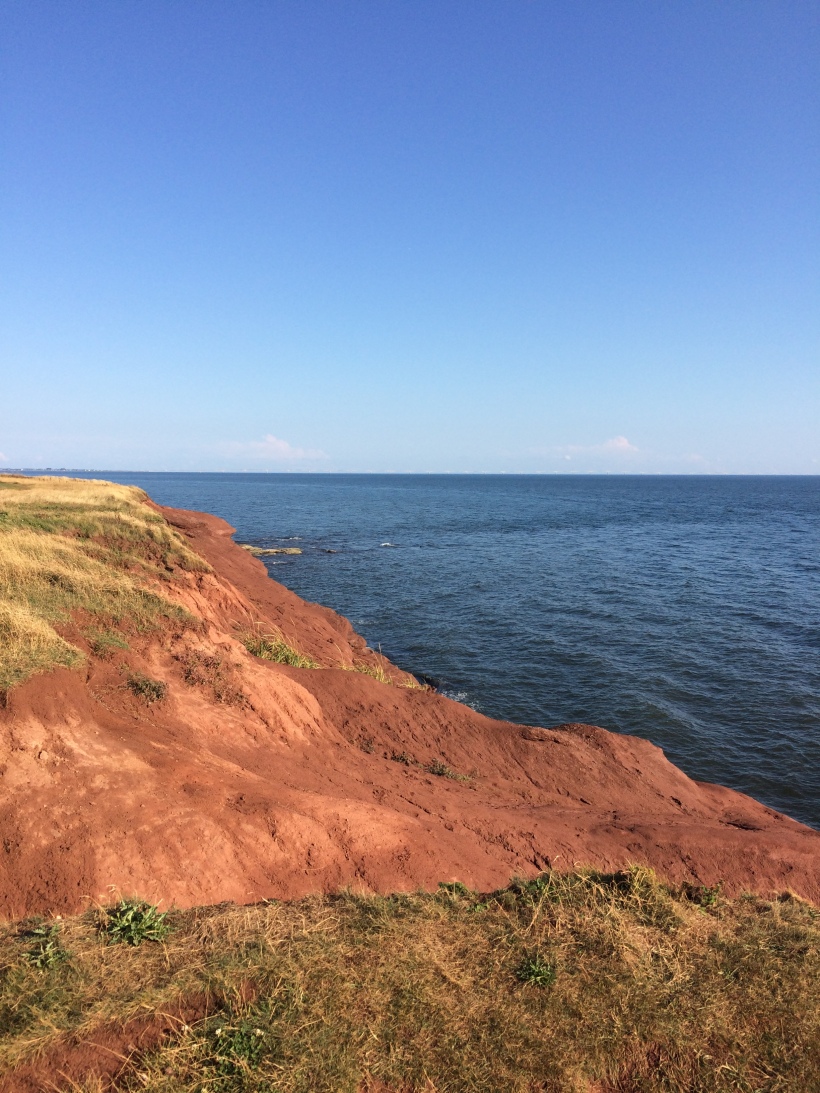
Much of the beauty of the Island is due to the vivid colour contrasts – the rich red of the winding roads, the brilliant emerald of the uplands and meadows, the glowing sapphire of the encircling sea. It is the sea which makes Prince Edward Island in more senses than the geographical. You cannot get away from the sea down there. Save for a few places in the interior, it is ever visible somewhere, if only in a tiny blue gap between distant hills, or a turquoise gleam through the dark boughs of spruce fringing an estuary. Great is our love for it; its tang gets into our blood: its siren call rings ever in our ears; and no matter where we wander in lands afar, the murmur of its waves ever summons us back in our dreams to the homeland.

The Alpine Path

L.M. Montgomery

p. 11

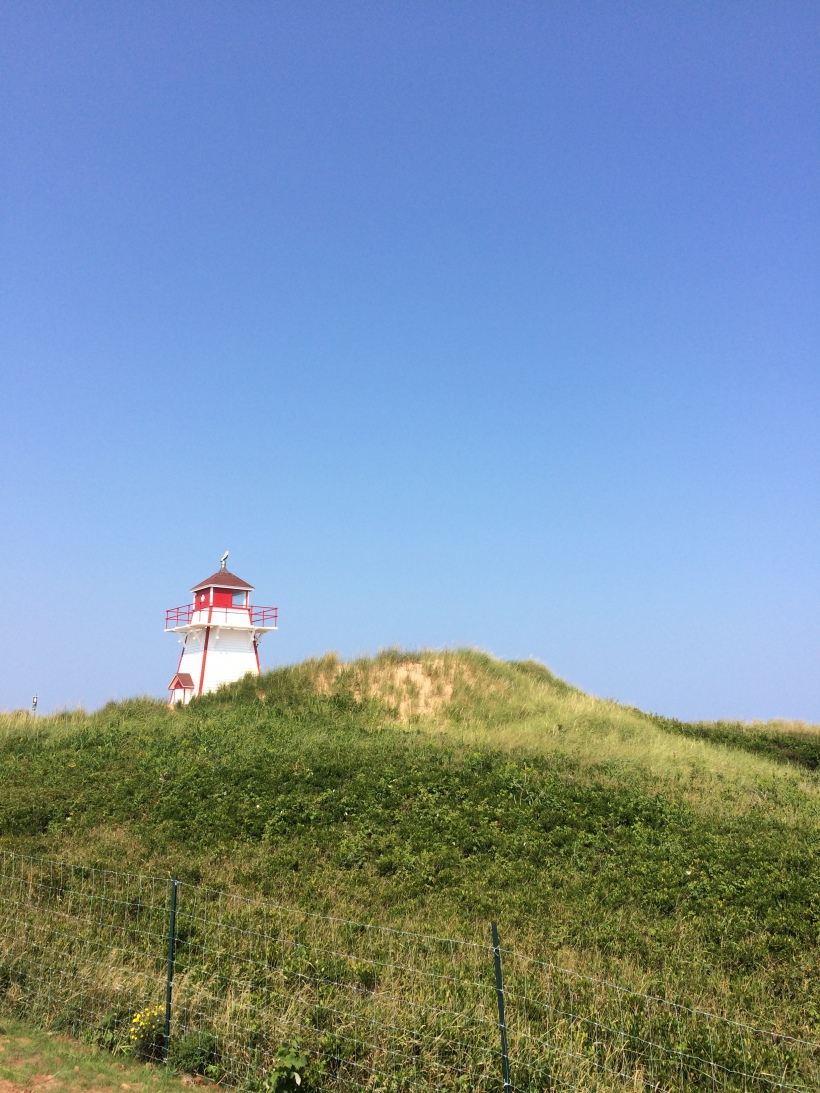
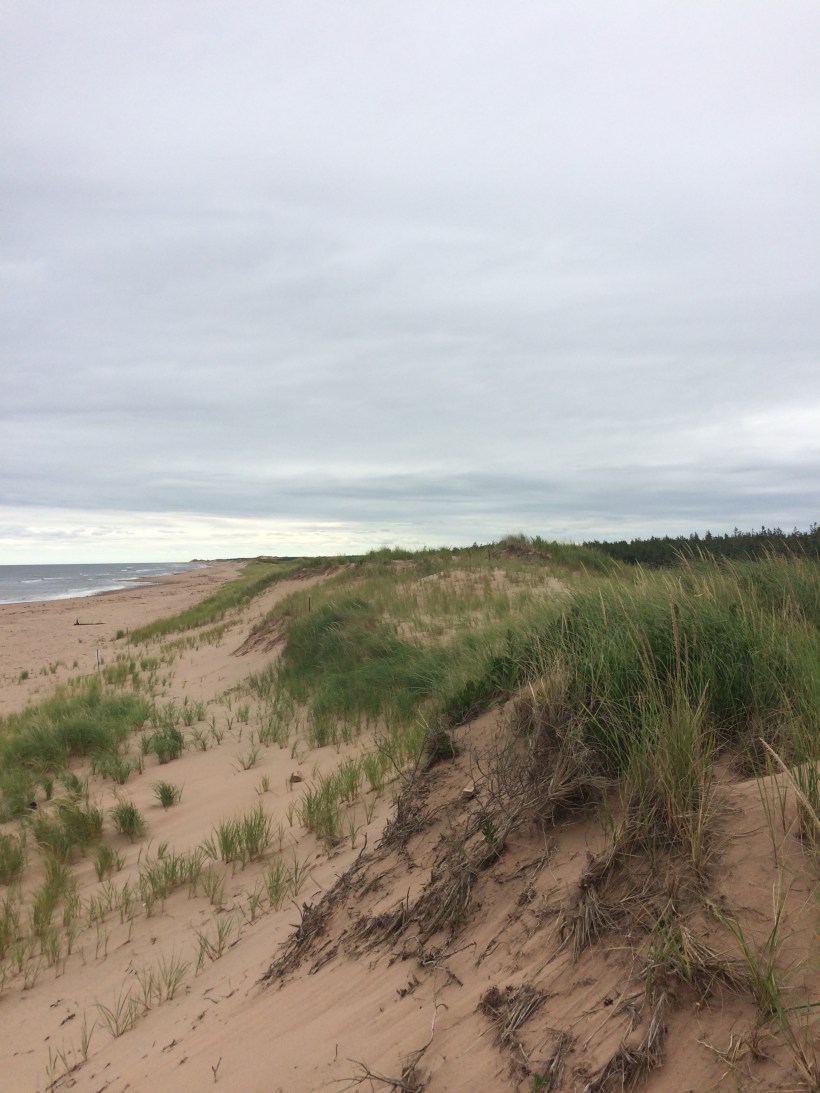
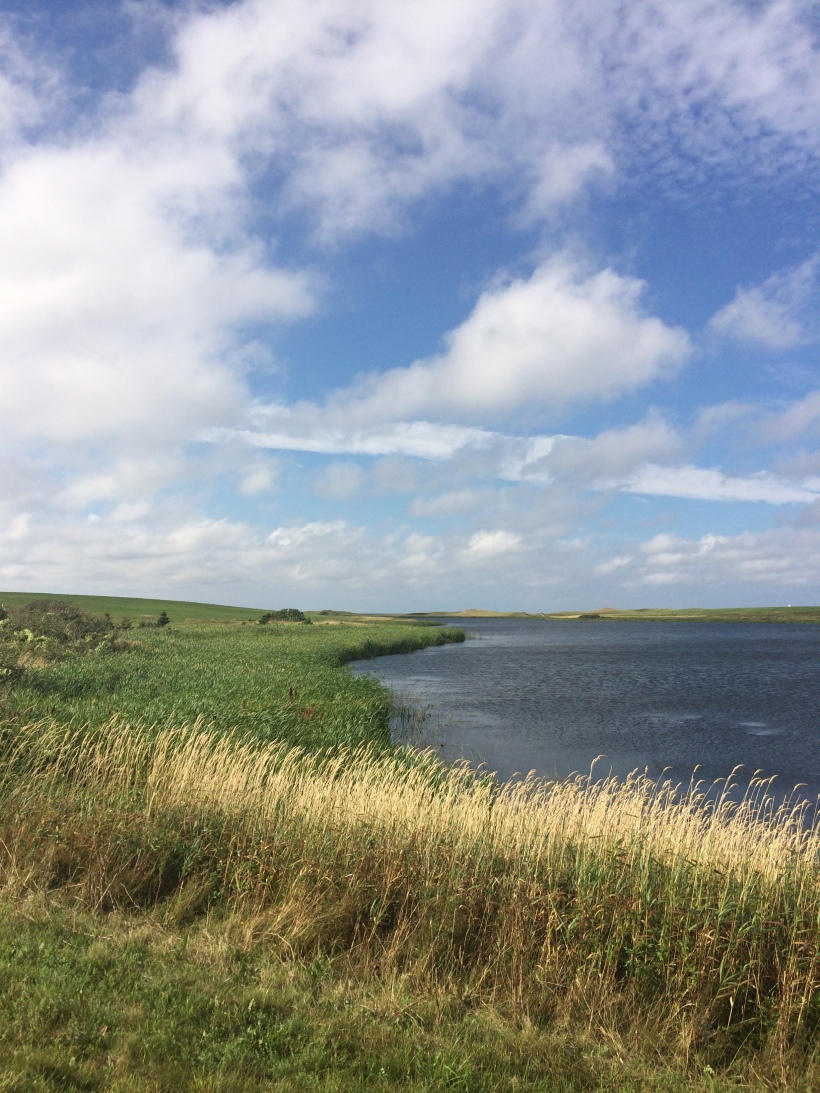
(my husband and I just returned from a dream trip to P.E.I. in celebration of our upcoming 15th wedding anniversary. It was so soul-enriching. I can’t tell you how much I loved this trip and the time with my husband on this gorgeous island.)

IMG_5749

~

July Reads

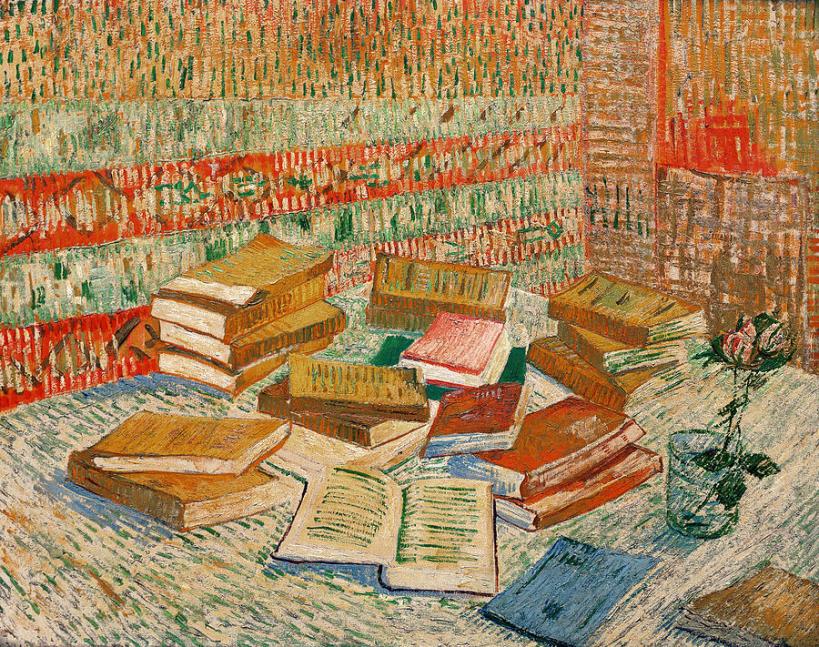
the-yellow-books-vincent-van-gogh

The Yellow Books by Vincent Van Gogh

So, how was your reading month? One of my favorite things about summer is more free time to be between the pages of a good book! Please share a favorite title you’ve read recently in the comments.

Here’s what I read or at least finished this month:

Emily’s Quest by L.M.Montgomery (****) –  the conclusion to this lovely trilogy about Emily Starr, an orphaned girl, now a young woman, pursuing her dream to become a writer. My favorite was definitely the second in the series, and this one felt a little slow and repetitive to me, talking a lot about her current beaus and the ups/downs of friendship, rejections on her writing, and loneliness. Overall, a satisfying ending to Emily’s story and I will definitely be rereading these at some point. They are probably close to some of my favorite Montgomery titles after the Anne Series.  My oldest daughter is now enjoying them.

Images of Rose by Anna Gilbert (***) – 3.5 – I felt a bit like Catherine Norland as I read this and constantly kept thinking of Northanger Abbey. About half way through this title, I realized that it was indeed a gothic romance. I picked this book up at a used book sale because the cover drew my eye. Unfamiliar with the author, I dove in, and wow, Gilbert is a BEAUTIFUL writer. The sense of place (England!), nature, the characters, are just so lovely. The plot was a bit cheesy and far-fetched, however, although, I didn’t catch the biggest clue to the mysterious, psychological things going on till the last part, which also commends the author. Overall, I loved reading this just for the cadence, flow, and loveliness of the writing, but the plot was definitely creepy and hard to swallow. Another plus, the romance was done SO well, something you felt, rather than were told, and the attraction between characters was shown through little things, thoughts, expressions, versus so many modern takes on romance were it is written purely as an uncontrolled physical attraction. I *might* check out another of this author’s titles just to see if there are better plots.

The Major of Casterbridge by Thomas Hardy (****) –  Wow. Hardy is definitely not cheery reading, but somehow you forgive him because of beauty of his writing. I love the title, it means more than what’s on the surface, of course. Mr. Henchard is a character you find yourself alternating between frustration, dislike and pity. I found it fascinating that someone who seemed to have good morals at the core, often went astray by not controlling his explosive emotions and rash, head-long decisions. A sobering lesson. I was surprised by how much I was rooting for Elizabeth-Jane and Mr. Farfrae early on, but as Donald rose in prominence in the town, I began to dislike him for some reason, although he certainly didn’t do anything really to deserve that. Maybe I just felt rather like rooting for the underdog, whoever that may be at the moment. I never could like Lucetta, though, she seemed devious and manipulative to me, right from the get go. Overall, the beauty of the Hardy’s natural descriptions, sense of really being there in, Casterbridge, and how I came to care for the characters made this a wonderful read, one I will be thinking on for awhile. The thoughts of second-chances, forgiveness, and regrets are worth things to meditate upon.

PS – a book nerd note, I found this at a used book sale in a plain, sort of ugly teal-ish colored PB, Rinehart Edition. It had a LOVELY feel to the cover…this is in rough shape, but it was so smooth, pliable, and the pages thick and full of character. It was part of the joy of reading this…I know, I’m weird.

Death on the Nile by Agatha Christie (***) – 3.5 stars because Christie is has a beautiful style as a writer. This Hecule Poirot mystery wasn’t my favorite, seemed a bit predictable. 

Why I Wake Early by Mary Oliver (****) – Beautiful nature poetry done in the stark, jarring, gorgeous way that only Oliver can do.

Henry Wadsworth Longfellow: His Life by Catherine O. Peare (*****) – A middle-school level biography written in a lovely, engaging style. I will be using some of the stories for my poetry lessons in our Charlotte Mason community. A lovely gal at the Living Education Retreat, that I attended this summer, recommended this. I hope to check out more of Peare’s titles in the future.

Charlotte Mason and the Great Recognition edited by Nicole Handfield (*****) – I so enjoyed this collection of essays that further helped illuminate and illustrate Charlotte Mason’s Great Recognition. I especially enjoyed the color prints of the fresco and Ruskin’s thoughts on them in such a nice convenient form.

The Maytrees by Annie Dillard (***) – This was written BEAUTIFULLY, which I would expect from Dillard. The beginning part about the Maytree’s romance and marriage was lovely, but unfortunately, the jarring twist in the middle left a bad taste in my mouth. The ending was just strange, and I was sorry that such descriptive, honest writing had to be used with a sad, weird story.

Serafina and the Black Cloak by Robert Beatty (***) –  a middle -grade fantasy. My oldest and I both read this and discussed it. It was very creepy, despite that we liked it, and we’re glad for the redemptive ending. Still shuddering and shivering a bit, though.

The Memoir Project: A Thoroughly Non-Standardized Test for Writing & Life by Marion Roach Smith (*****) – I loved this kind of shocking, and brutally honest look at writing. She really rips to shreds a lot of stereotypical ideas floating around about memoir, specifically.

Pen on Fire: A Busy Woman’s Guide to Igniting the Writer Within by Barbara DeMarco-Barrett (****) – Helpful and informative! I really loved the conversational, relational style of this. I didn’t use any of the exercises, those seem a little contrived to me, but she really was encouraging and this is one I’d like to own.

Fish in a Tree by Lynda Mullaly Hunt (*****) – I absolutely loved this book, I cried at times. This follows the life of Ally, a sixth-grader, who has dyslexia, and doesn’t know it. The author clearly shares some of her own life experiences through the thoughts and feelings of this young girl who believes she is stupid. It shares how one person valuing another as a person can change the course of their whole life.

The Gray House by Mariam Petrosyan (****) – Wow! This book was crazy, upside down, and inside out, but totally tugged at my heart strings. I came to care about many of the characters living in the Gray House even the hard-to-love ones. That is the prevailing feeling I have walking away from this book, a deep sense of compassion, and a feeling of seeing myself in many of the feelings, thoughts, and frustrations of these very real feeling people. Without this fabulous book club: Silvia Cachia, I would have been lost much of the time, ha! This book was very challenging for me, I think one of the first of it’s sort for me to read. I’m not even sure what to classify this as? Maybe dystopian magical realism? Is that even a thing? I just made that up. This was a BEAUTIFUL translation, flowed so well, and the depth of each person you got to know was wonderful. Overall, I’m glad I read this, I probably will never understand all that I just read, but I was fascinated by this world and these people Petrosyan shared with us.

You are What You Love: The Spiritual Power of Habit by James K.A. Smith (**) – review here.

The Holy Bible (*****) – I Chronicles, Ecclesiastes, Song of Solomon, Philippians, Colossians, 1 & 2 Thessalonians, 1 & 2 Timothy, Titus, Philemon, and Hebrews


~


Metaphoric Mountains, The Maytrees by Annie Dillard, and “The Magic of Ordinary Days”

IMG_4510

From somewhere, somehow, comes the idea that things that are hard are wrong. Or that rough days are temporary and not “real” life. The crunch under my dirty tennis shoes, one more mile, that late night conversation with family, exhausted, and one more dish, one more mess, spilled milk, rivulets swirling with dust from unwashed floor. Ignorance is bliss, they say, and I gaze at beautiful Instagram photos from mountain tops. The breath-snatching, far-reaching beauty in every direction, I am choosing to forget what it took to get there.  The climb, the stumbling, the sharpness, the gasping for air, these things are real life. I’m in denial, I’m doubting, I’m missing out on the beauties of this life, when I focus on the perceived unfairness, the lie of the serene life I’m must be missing just beyond my grasp.  Amy Carmichael, a beloved writer, put it this way, speaking on a verse from Ecclesiastes 8:8, The Holy Bible,

“No day, no hour, no minute when we can count on being out of the reach of the fiery darts.  Greek fire, as the Crusaders called it, used to terrify them because it burned on the water. There was no escape from it. There is no escape for us from the Greek fire of the enemy of souls. We have never been promised such escape. ‘There is no furlough in war’. ‘If ye trust not surely ye cannot be trusted!’ If we let our hearts ask for what is not promised – furlough from war –; if we let ourselves wish for it; if the inmost thought in us longs for respite from the conditions of war, or wonders why they are what they are, or why they are so prolonged; then we are not trusting, and we cannot be trusted with the spoils of the battle – treasures for others.” * (emphasis mine)

Lou Bigelow and Toby Maytree find each other and marry, Annie Dillard’s prose bringing their love to life in a Massachusetts town. Weary, sun-scorched, wandering, I chose The Maytrees off my small library shelf, because I have appreciated Dillard’s nonfiction.  Half way through, my delight is drowning.  Maytree is moving to Maine, with another local gal, Deary. No explanation, really. Just all of a sudden. This jarring twist to the narrative was clever, I suppose. But as I search for a foot hold, reaching one bloodied hand towards the next bit of rock to climb in my own marriage, my own pile of relationships, I wonder at those that quit. We exalt those that leave. We exalt those that change. What of those who keep at the same for their entire lives? What of those who “make mere loving their life’s work”*? Those mothers, fathers, sons, and daughters who grapple with the mountain side so they can share the vista at the top.

I don’t have to fight this climb. I focus and bask in today’s work upward. I choose to be glad in the forward motion, be it icy rain on my face, warm sunshine flickering overhead, the cutting ropes around my waist, the pack pressed sweaty to my back.  I’ve been given the gift of life. It’s not easy, acts of faith, this deep trust.  Things worth fighting for are never easy, that breathtaking view that C.S. Lewis said was “higher up and further in”*.  In contrast to the Maytrees, Olivia Dunn, in the movie, “The Magic of Ordinary Days”*, is dumbfounded at the love that Ray Singleton, his family, and neighbors, shower on her, a stranger, and her unplanned baby. The beauty of this story is that these people make a choice to love. They don’t reject, give up, or complain under the unfairness, inconvenience, or shame of taking on this steep, unfamiliar mountain. They keep climbing. Ray keeps reaching forward, quietly, faithfully loving, even when many would have long ago quit, left, or just needed “a change.”  Isn’t that a picture of Jesus Christ? It wasn’t easy to die in relative obscurity. His life was full of hardship and hate. He didn’t sit around pinning and waiting for things to get easier.  He went about His Father’s business, Love spilling from every bloody step He took.  Hard isn’t wrong, it’s real. Hard is brave, trusting, and true. Hard brings us to those glorious mountain tops.

~


Thou Givest, They Gather, by Amy Carmichael, p.116-117

The Dean’s Watch by Elizabeth Goudge, p.122

The Maytrees by Annie Dillard

The Last Battle by C.S. Lewis, p. 202

“The Magic of Ordinary Days” Hallmark Hall of Fame, 2005